Unlocking Your Hair Identity: A Guide to Understand Your Unique Hair Type
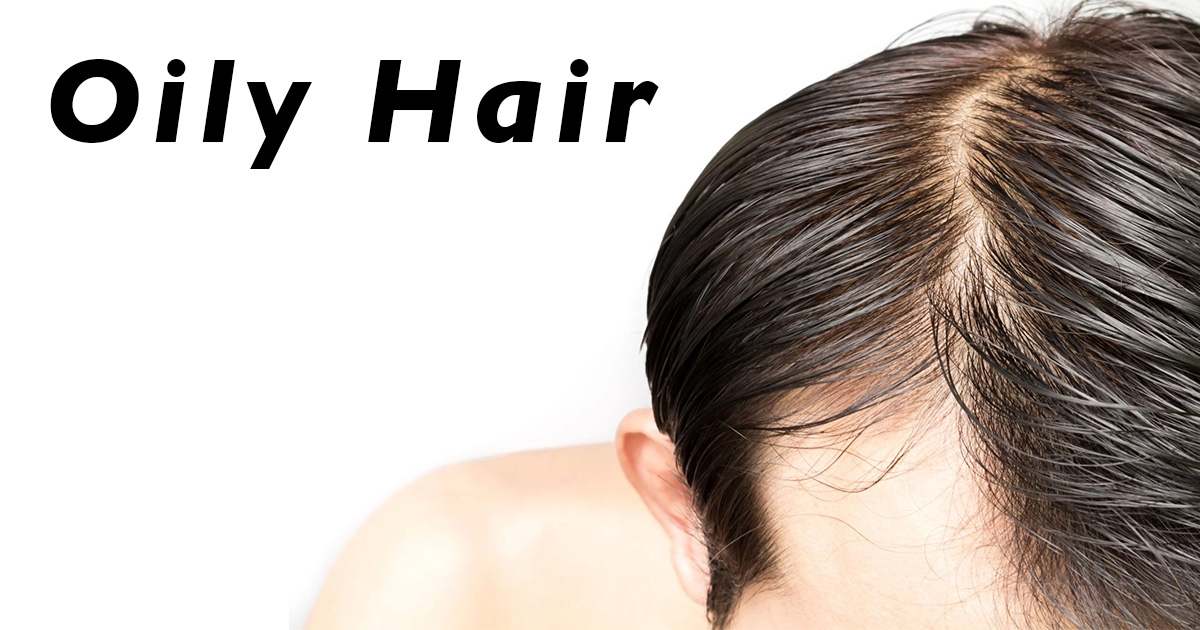
Oily Hair: It is often characterised by an overproduction of sebum, a natural oil produced by the sebaceous glands in the scalp. Sebum plats a crucial role in keeping the hair and scalp moisturised and healthy. However, when the sebaceous glands produce an excessive amount of sebum, it can lead to oily hair.
How to identify?
- Hair appears greasy and feels oily just a day or two after washing, you likely have oily hair.
- It is caused by excessive sebum production from the scalp







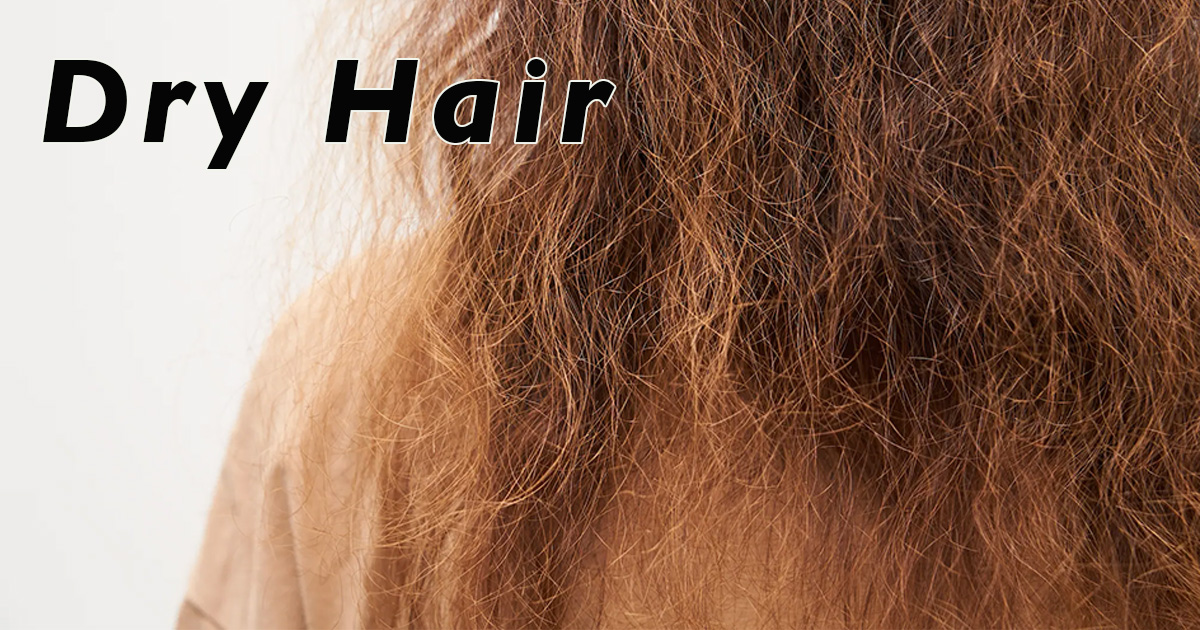
Dry Hair: It is characterized by a lack of moisture and natural oils, making the hair feel rough, brittle, and often frizzy. It occurs when the sebaceous glands in the scalp do not produce enough sebum, the natural oil that lubricates and moisturizes the hair and scalp. Dry hair often have a dull appearance and lack of shine.
How to identify?
- Hair feels rough, frizzy, and lacks moisture
- Hair has split ends and breakages
- Often caused by the lack of natural oils and hydration


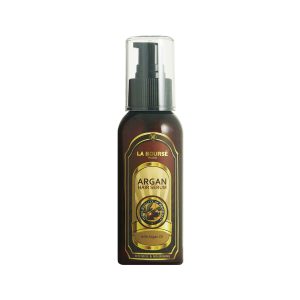
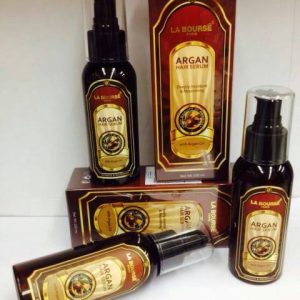


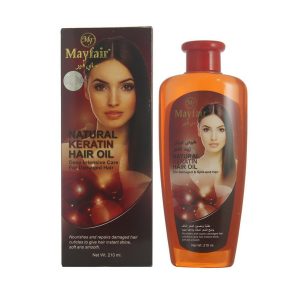


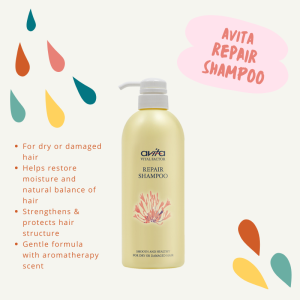
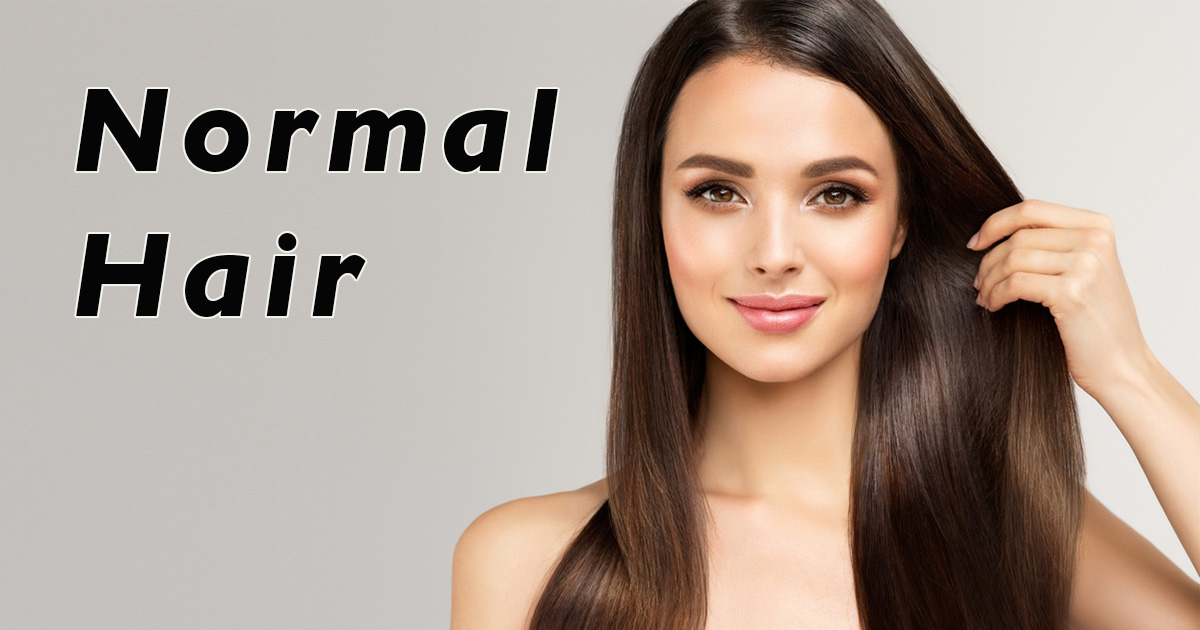
Normal Hair: It is considered well-balanced and does not exhibit excessive oiliness or dryness. It is a relatively rare hair type, as most people tend to have either oily or dry hair. Normal hair is often characterized by its natural shine, manageability, and overall healthy appearance.
How to identify?
- Hair has balanced moisture – not too oily or dry
- Hair has a natural sheen, making it look vibrant and glossy
- Hair is generally easy to manage
- Hair has no scalp issues like dandruff or itching







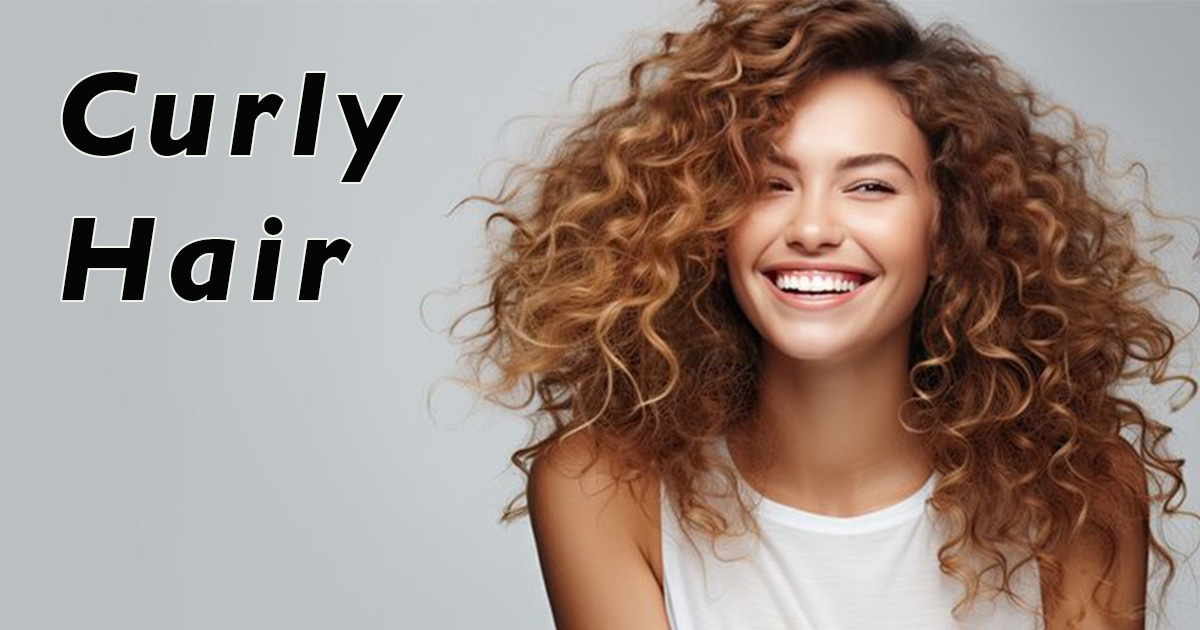
Curly Hair: It has distinct texture characterized by well-defined curls or waves. Curly hair is often a result of the hair follicles being oval-shaped rather than round. The shape of the follicles causes the hair to grow in a curved or spiral pattern, giving rise to the curly texture.
How to identify?
- Has a distinct texture with well-defined curls or waves
- More susceptible to tangling and forming knots
- It can be any of the above types (oily, dry, normal) but requires specific care due to its unique structure





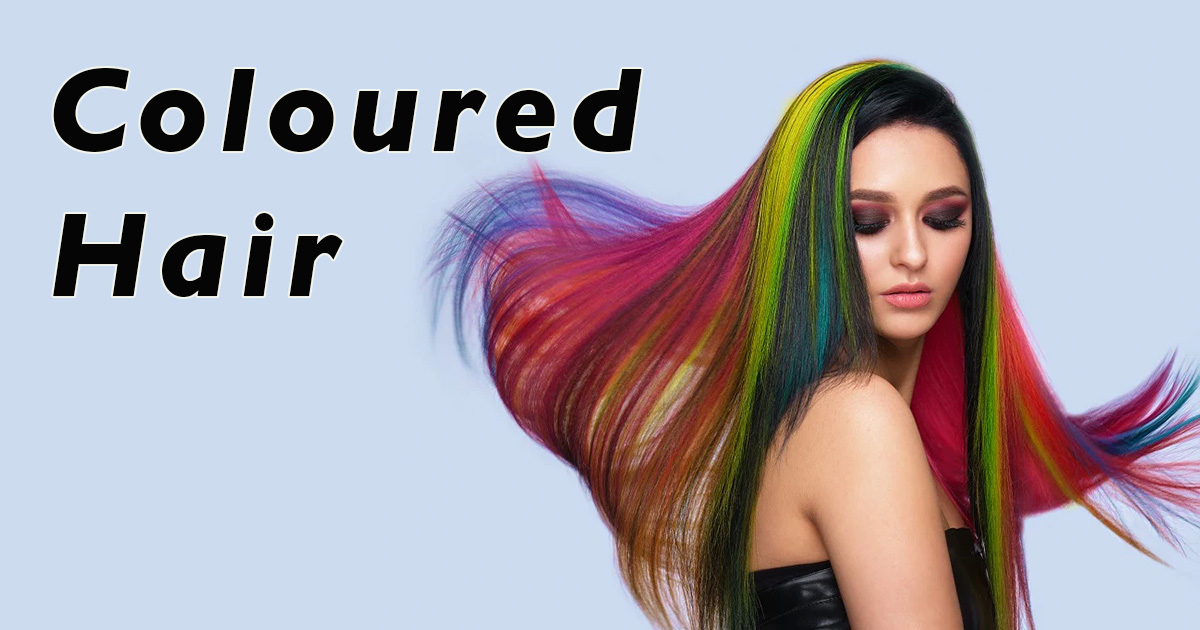
Coloured Hair: It refers to hair that has been dyed, tinted, highlighted, or chemically treated with hair colorants to change its natural colour. People choose to colour their hair for various reasons, such as covering grey hair, trying out a new look, or expressing their individuality through different hair colours.
How to identify?
- A hue different from the person’s natural hair colour, ranging from subtle changes to more dramatic transformations.
- Often more porous due to the chemical treatments, leading to dryness, damage and fading to the hair
- Requires specific care and maintenance to preserve the vibrancy and longevity of the colour